Small Scraps

Small Scraps

“I can’t do this.”
“I don’t want to.”
“This is so difficult.”
“I don’t get it.”
“It doesn’t make sense.”
“Why do I have to?” 

No, these aren’t the words of obstinate students. These are all things I’ve said over the last few weeks while trying to wrap my brain around the new standards based grading system the fine arts department in our county has implemented this year.

For real. This stuff is painful. We’ve switched from assigning two grades per student per quarter to assigning five. I think. I mean, I definitely have to give five grades per student per quarter, but I’m not quite clear on how many I need to give per project. Five? Twenty? Thirty-six? Each sample grade book we’ve been given access to says something different. Did I mention we’re talking K-6 here? Sigh

***

I’ve finally figured it out. I’ve finally figured out why, regardless of what school or what state I’m teaching in, I always have first graders in the afternoon. Apparently it’s universal, first grade teachers really value fresh air. I mean, think about it, what happens to first graders after lunch? That’s right. They fart. And really, aren’t first graders’ farts the worst in the world? First grade teachers pack their afternoons full of ways to preserve their air, much to the discomfort of the rest of us.

***

Who was the fool that spread the rumor that art teachers have neat handwriting? Thanks. Thanks for nothing, man. I can’t tell you how many times people have come to me, asking me to write something out because, I’m the art teacher so I must have neat handwriting. Well, I don’t. And even if I did, I don’t want to write out everybody’s thank you cards, certificates and posters. Thankyouverymuch.

***

On top of a new fine arts grading system, our county has also started a new progress report grading system. On top of the two new grading systems rolled out this year, our county has also instituted new teacher performance evaluations. It includes seven performance standards, one of which is student academic performance. That last one is weighted 40% and requires that we create a SMARTR (our county includes and extra ‘R’ at the end for “Rigorous”) goal. Art teachers aren’t exempt from this. So now I’m trying to figure out how to create a Specific, Measurable, Attainable, Relevant, Time-bound, and Rigorous goal to measure student progress in my art room. Thankyouverymuch.

***

I’ve been absent recently as I’ve been attempting to figure out how to fit the above changes into an art environment. Also, I’ve received some criticism recently via comments and emails, so I’ve stepped back a bit to reevaluate what I do here at ATHG. I hope to be back soon.
Standard
Gripes

Crafts are for summer camp. I teach art.

Dear sweet, innocent, substitute teacher,

I don’t even think you realized what you said today when you said it. There we were, discussing the fact that you’re new to the county, you were asking me questions about schools in the area, I was giving you tips on where to apply, all while the Kindergarten students you were assisting with were toiling away on their creations. The conversation was going alright, albeit a little distracting and inappropriately timed, but pleasant nonetheless.

And then you said it. Right there, in the middle of my art class, “I never understood how to teach crafty things to little kids. All that glue and stuff. How do you manage it?”

I’m sorry, how do I what? How do I teach crafty things to kids? Crafty?

Oh honey, I don’t think so. I don’t teach kids crafts, I teach them art. There’s a huge difference. Crafts involve gluing pompoms to Popsicle sticks and sprinkling it with glitter. Art, what I teach, what I went to school for six years to become highly qualified to teach, is about teaching kids how to create, how to hone their painting and drawing skills, how to look at the things around them, solve problems through experimentation and investigation. How to look at, and evaluate, a huge challenge and break it down into smaller, more manageable and doable steps. I teach students how to succeed in a situation they may not be familiar, nor comfortable with.

On my list of pet peeves, the misconstrued perception individuals outside of art education have about art education ranks high on that list. As art educators, we deal with this ignorance on a daily basis.

Take for example a colleague of mine who was engaged in a conversation with a second grade teacher. The second grade teacher couldn’t understand why my colleague had a problem with the class missing art when “all they ever do anyways are color sheets.” As you can imagine, my colleague was deeply offended and put-out, not to mention a bit angry.

We shouldn’t have to defend what we do to others, but we often find ourselves in a position in which we do, as my colleague did when she explained that the students receive color sheets after clean-up, at the end of class, as a treat.

I would never question what another teacher does academically in his or her classroom, nor make light of it. I would never question his or her education, although most elementary teachers I encounter nowadays are less educated than I am, but I would never presume that this means they’re less capable of teaching in their subject area than I am. I assume that every teacher I meet has received adequate training and education in their field of choice.

Unlike the occasional classroom teachers who are shocked when they learn that art teachers, art teachers need to have a degree to teach. And not only that, but some of us even have Master’s degrees.

The colleague I previously mentioned has, on more than one occasion, had to explain to other educators that yes, art teachers have to be certified by the state in order to teach, just like regular classroom teachers.

I don’t know where the idea that art teachers only do crafts with students came from, but it’s insulting. Most of the time I am quite capable of letting these ignorant beliefs roll off my back, and I move along with my day, fully aware of what my job entails, what my qualifications are, and with the full knowledge that what I do, what I teach, matters to students and their educations. Most of the time.

But sometimes, sometimes, the ignorance is so in-my-face that it indeed ruffles my feathers, works me up, gets me going. And in that situation I say, dear substitute teacher, don’t worry your pretty little head over it. I spent six years in college to become highly trained in the science of teaching kids how to not only open glue bottles, but also how to gently squeeze the bottle in order to get the glue out.

So go back to your clean, safe classroom and leave the messy stuff to us crafters, er, I mean, art teachers.

Sincerely,

Ms. Art Teacher

(Small disclaimer: Please don’t think I believe all non-art teachers feel the same way as the few teachers I talked about above. I know many regular classroom teachers who understand and support what it is I do in my classroom.)

Standard
A Day In the Life

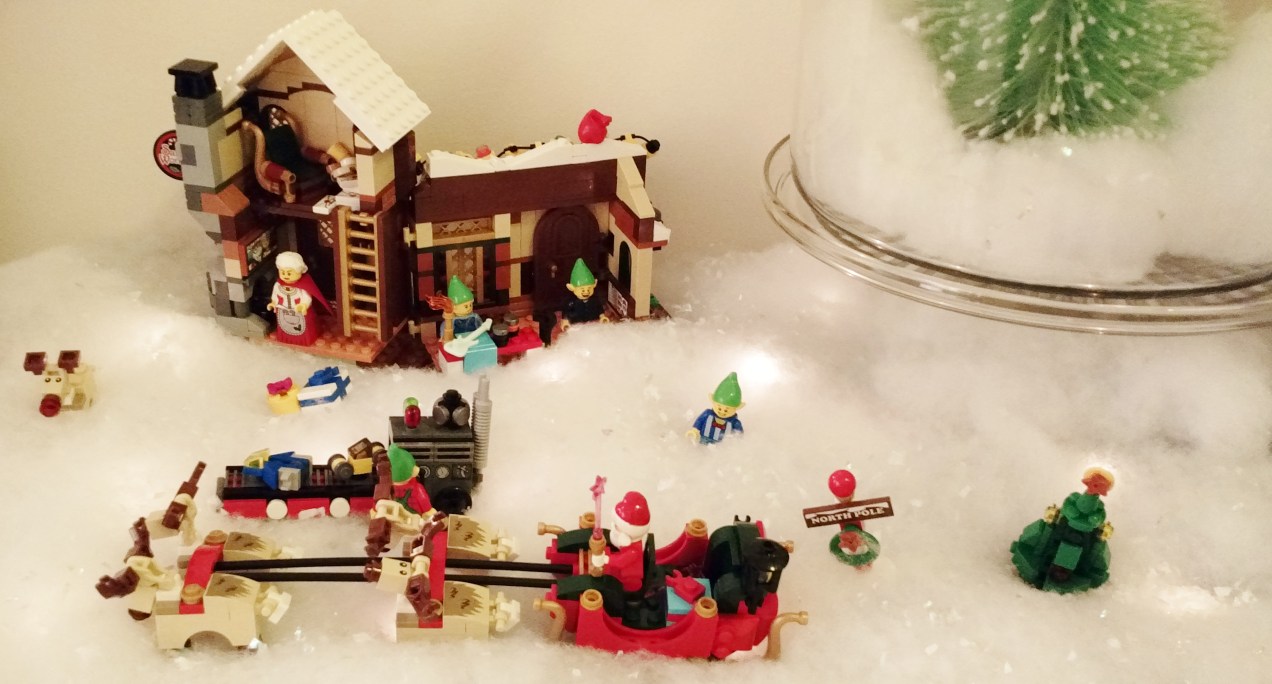
This Ain’t No Santa’s Workshop

As an art educator, I am not in the habit of taking time around any holiday to allow my students to make presents for family members during class time. I have a curriculum to teach. Even during the December Holidays. I know, shocking, right? I actually try to teach my students things during the month of December instead of busting out the glitter and Popsicle sticks and allowing them to make cheesy gifts. In aggravates me to no end when classroom teachers expect me to be the gift-making shop around the holidays. In my opinion, it’s not my job. Take time from your instructional time and do it in your classroom, don’t expect me to do it in mine.

That being said, your previous art teacher set the precedent of coordinating her clay lessons to be ready to go home before Winter Break so students can give them as gifts, it might be a good idea to tell the new, part-time art teacher in your school. Don’t, for example, show up for class during the first week of December and ask if your 1st graders will have their clay pot finished in time for break. Chances are your art teacher will respond with a blank stare as she tries to control her internal frustration and slight panic as she quickly calculates how many art classes are left before break.

It would probably be in your best interest, as a classroom teacher, to inform the new art teacher of any project expectations with plenty of notice. That way, the poor art teacher can adequately plan for making the pots, allowing time for them to dry, fire the pots, have the students glaze the pots and then fire the pots once more, all in time for your precious gift giving tradition.

[Deep breath]

And furthermore, if you happen to be one of those art teachers who has set this sort of precedent, it wouldn’t kill you to fill in the new art teacher on any project expectations, such as clay gifts, that you have set up. Unless you want to be responsible for breaking the little hearts of the two groups of first graders who won’t be bringing gifts home to their families because their new art teacher didn’t know that she was expected to do this.

*Sigh*

It’s been a long week, folks, a long week.

Standard